Plush dog toys: choose soft toys by play style and failure mode
Plush Dog Toys

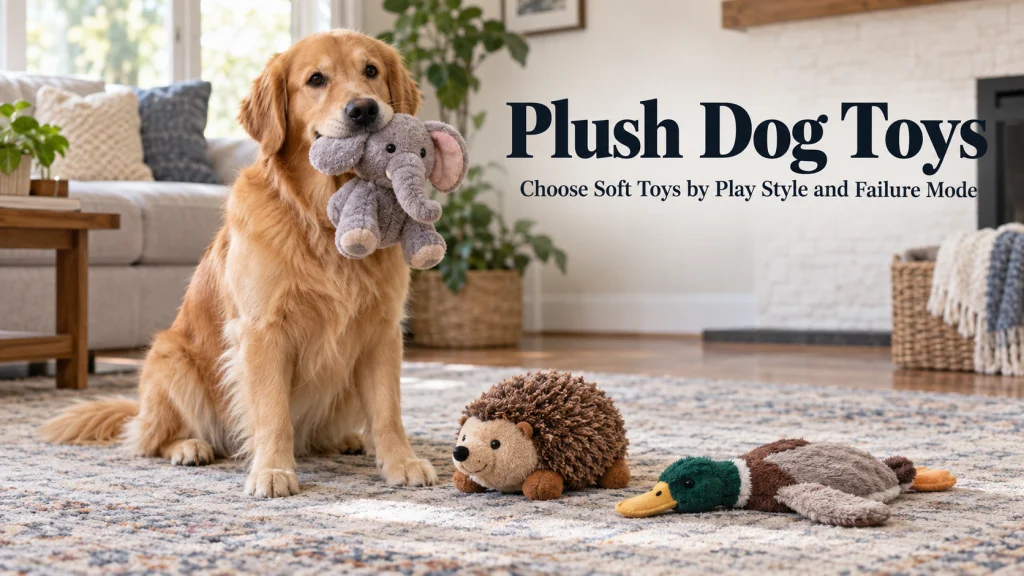
Plush dog toys make the most sense when a dog likes to carry, cuddle, shake, or gently mouth a soft toy without immediately tearing it apart. The right choice depends on the dog’s mouth size, play style, interest in seams and squeakers, and how quickly fabric damage appears. Stuffed and stuffing free designs create different
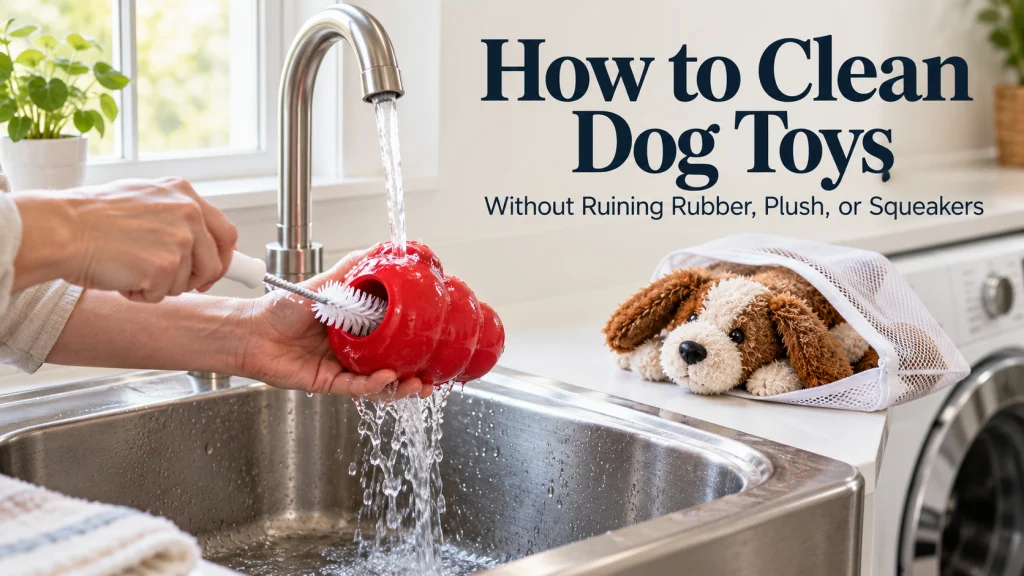
How to clean dog toys without ruining rubber, plush, or squeakers

How To Clean Dog Toys

Dog toys should be cleaned by material and construction, not by one household routine for everything in the toy bin. Start by inspecting for torn seams, exposed stuffing, broken rubber, loose parts, or damaged sound components, because washing cannot make structural damage safe again. Check the manufacturer’s care instructions before choosing the sink, dishwasher, or

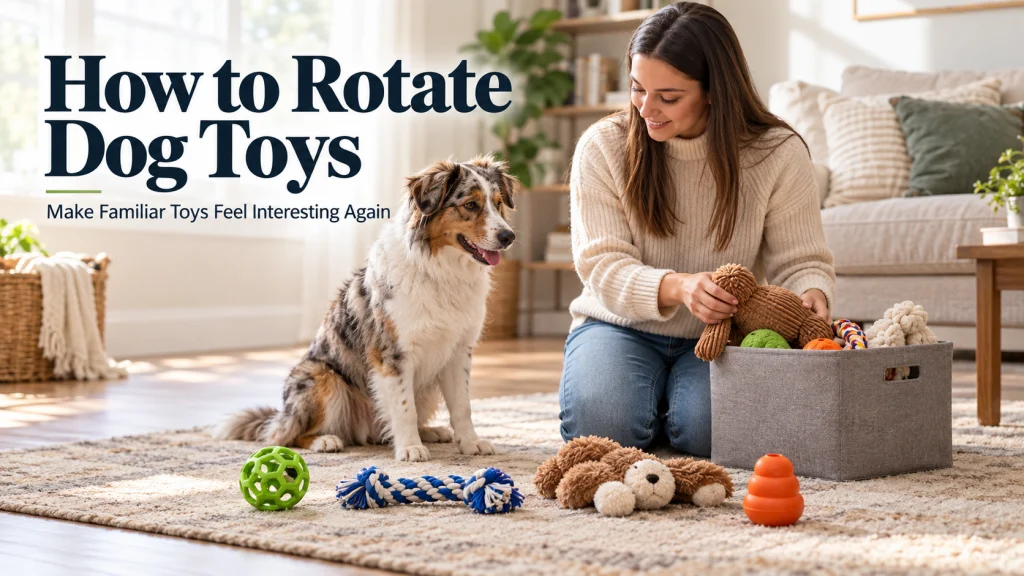
How to rotate dog toys so familiar toys feel interesting again

How To Rotate Dog Toys

Rotating toys works best when the available selection is small enough for each item to stand out, while the rest stay stored out of reach. The goal is not to make an old toy magically new, but to change access, variety, and play opportunities without constantly buying more. A useful routine also turns each changeover

Dog toy size: choose a toy the dog can grip but not swallow

Dog Toy Size

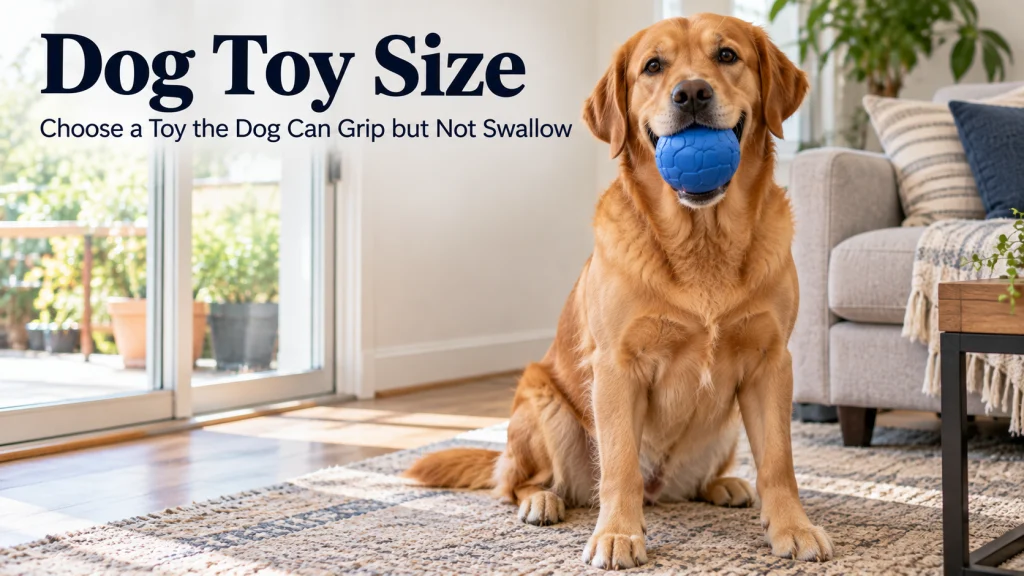
Dog toy size should be judged by what the dog can actually grip, carry, mouth and potentially swallow, not by an S, M or L label alone. A useful toy is large enough that the whole object cannot slip too far into the mouth, while still being manageable for the dog’s jaw and play style.

Dog toy safety: size, damage, and swallowing risk matter more than the label

Dog Toy Safety

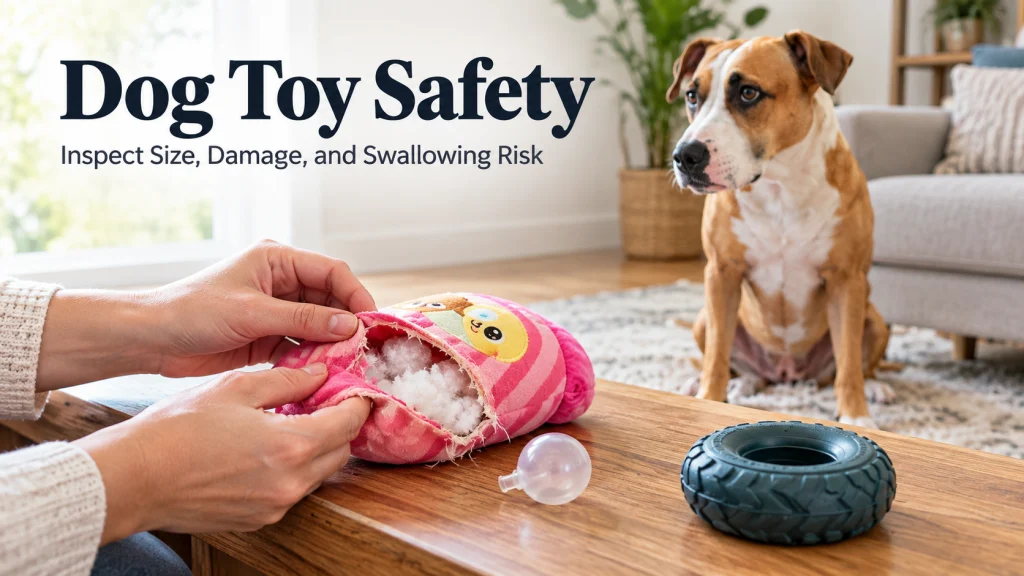
Dog toy safety depends on what the toy becomes during real play, not only on what the package says when it is new. Size, chewing style, exposed internal parts, sharp damage, loose fragments, and cleaning limits can all change whether a toy is still suitable for a particular dog. The practical habit is simple: choose

Dog toys: choose, rotate, inspect, and clean them by how the dog plays

Dog Toys

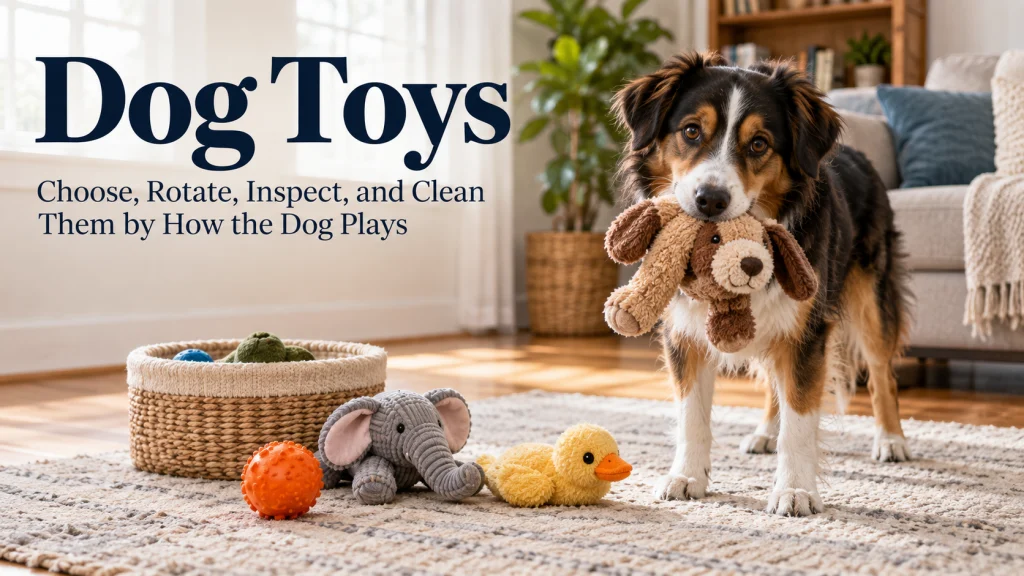
Dog toys work best when they match what an individual dog actually does during play, not when they are chosen by shelf label alone. Start with safety and size, then decide whether the dog carries, mouths, shakes, tears, chases, chews, or quickly loses interest. A useful collection stays small enough to inspect and clean, while