How often should you train your dog? Use short practice that fits real life

How Often Should You Train Your Dog

Training works better when practice is clear, repeatable, and easy to fit into ordinary life. Instead of treating one long session as the goal, use brief focused sessions for new skills and reinforce familiar behavior during meals, doors, walks, and other daily routines. Session length should change with the dog, the task, the environment, and
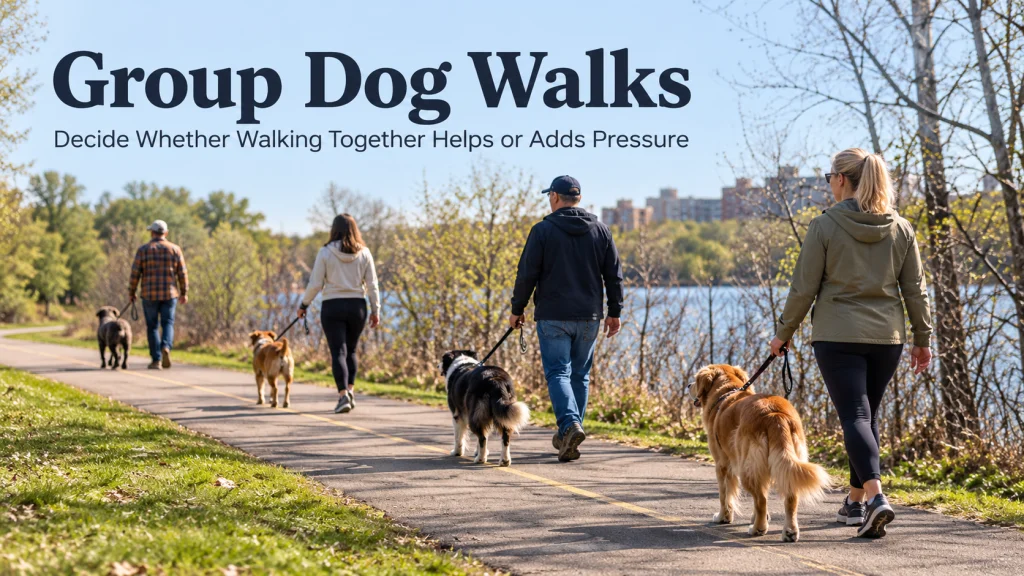

Group dog walks: decide whether walking together helps or adds pressure

Group Dog Walks

Group dog walks can give a dog company, movement and practice staying near other dogs without turning the outing into free play. The useful question is whether the group leaves enough room for each dog to move, recover from excitement and stay connected to its own handler. A good fit depends on the dog’s comfort

Clicker training for dogs: mark the right moment without making the clicker the point

Clicker Training For Dogs

Clicker training for dogs works by marking the exact behavior you want, then following that marker with a reward the dog values. The click is not a cue and it is not the reward itself; its job is to make your timing clearer when the reward arrives a moment later. A short verbal marker can

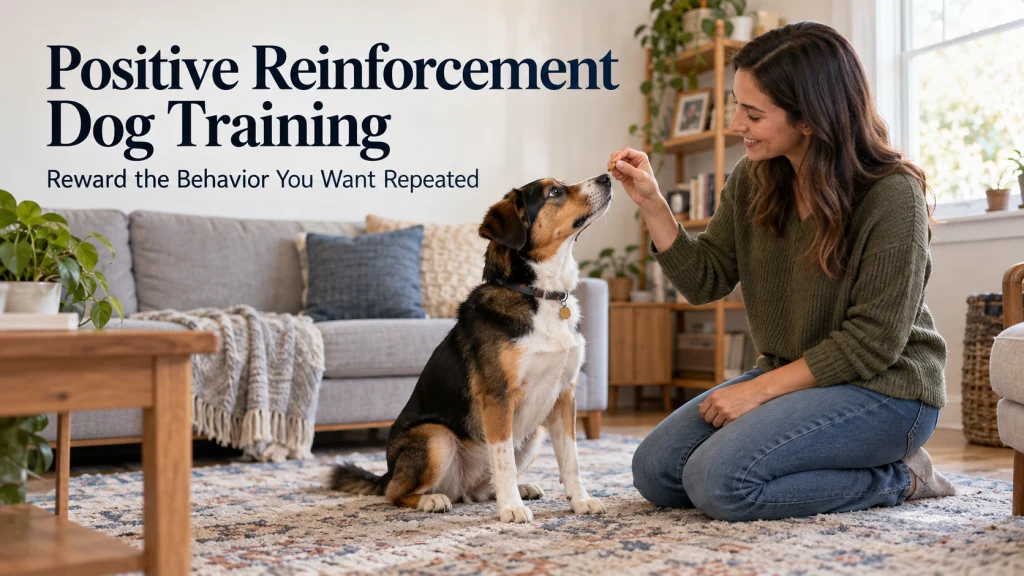
Positive reinforcement dog training: reward the behavior you want repeated

Positive Reinforcement Dog Training

Positive reinforcement dog training is a method for making useful behavior more likely by arranging consequences the dog actually values. The practical work is more than handing out treats: you need clear criteria, accurate timing, rewards that matter in the moment, and management that prevents unwanted behavior from repeatedly paying off. Reward based training can

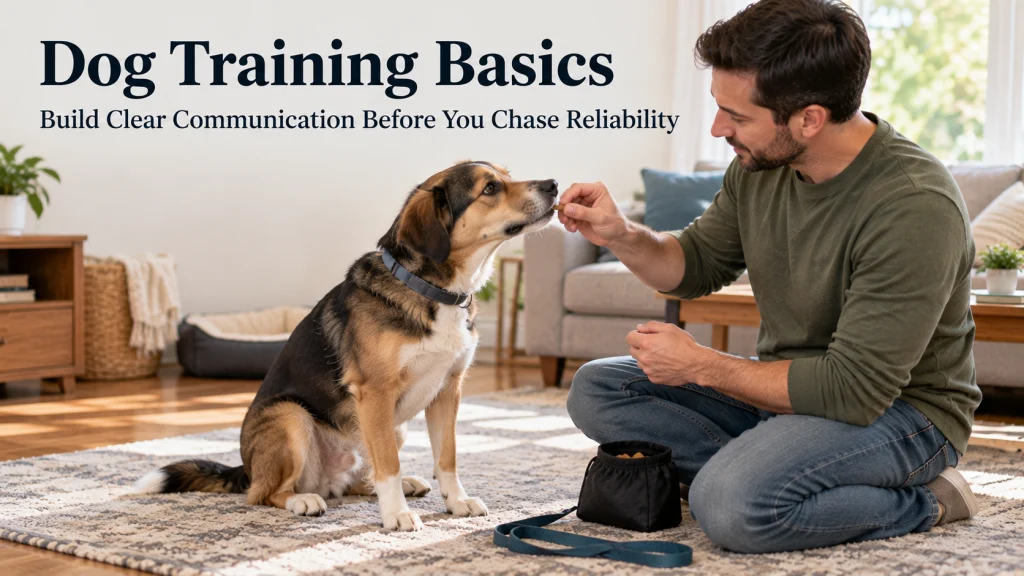
Dog training basics: build clear communication before you chase reliability

Batch 3

Dog training basics work best as a communication process rather than a list of cues. Clear marking, useful reinforcement, manageable criteria, and practice in changing environments shape whether a dog understands what earned the reward. Tools or classes can help when they solve a defined problem. The goal is a repeatable system you can adjust

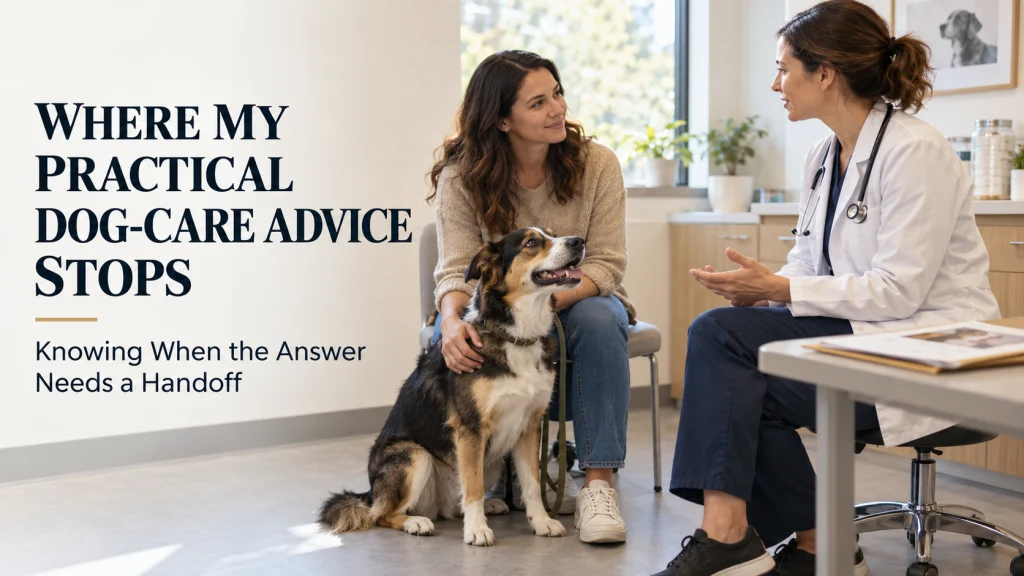
Where my practical dog-care advice stops

Dog Care Advice Boundaries

Practical dog care advice is useful only when its boundaries are clear. I can help readers think through everyday routines, household setup, basic handling, gear fit, cleaning, maintenance, and other owner-level decisions, but I do not turn those topics into medical, clinical nutrition, rehabilitation, or complex behavior advice. When a question crosses that line, the